How Caregivers Help Lower Stress and Blood Pressure in Seniors
More people are providing care as the population ages. In the US, 1 in 3 adults works as a family caregiver or informal caregiver.
Anyone who assists someone in need is considered a caregiver. However, when it comes to elderly care, there is a certain level of monitoring required for blood pressure in them.
But can home care services offer this level of personalization? Yes, but how? Let’s help you with the answers you need.
What are the Causes of Hypertension in Seniors?
According to the National Library of Medicine, age‑related arterial stiffness caused by loss of elastin and increased collagen is a key driver of hypertension in seniors, making BP regulation more challenging with aging.
Blood flow becomes more difficult as people age because their blood vessels naturally lose some of their flexibility. One of the most common causes of high blood pressure in seniors is the stiffening of arteries. Excessive salt consumption, inactivity, and long-term medical disorders like diabetes and kidney disease are additional contributing factors.
Some medications, such as some decongestants and painkillers, can momentarily raise blood pressure. Hypertension may also be exacerbated by stress, obesity, and excessive alcohol or caffeine use.
Controlling blood pressure can be achieved by recognizing these risk factors and implementing the required lifestyle changes.
Seniors who need help managing their blood pressure and leading healthy lives can get it from in-home caregivers for elderly stress relief.
How Caregivers Reduce Senior Stress
Caregivers offering home health care services can be a great help for seniors with pressure issues. This is how they can help:
Emotional and Social Support
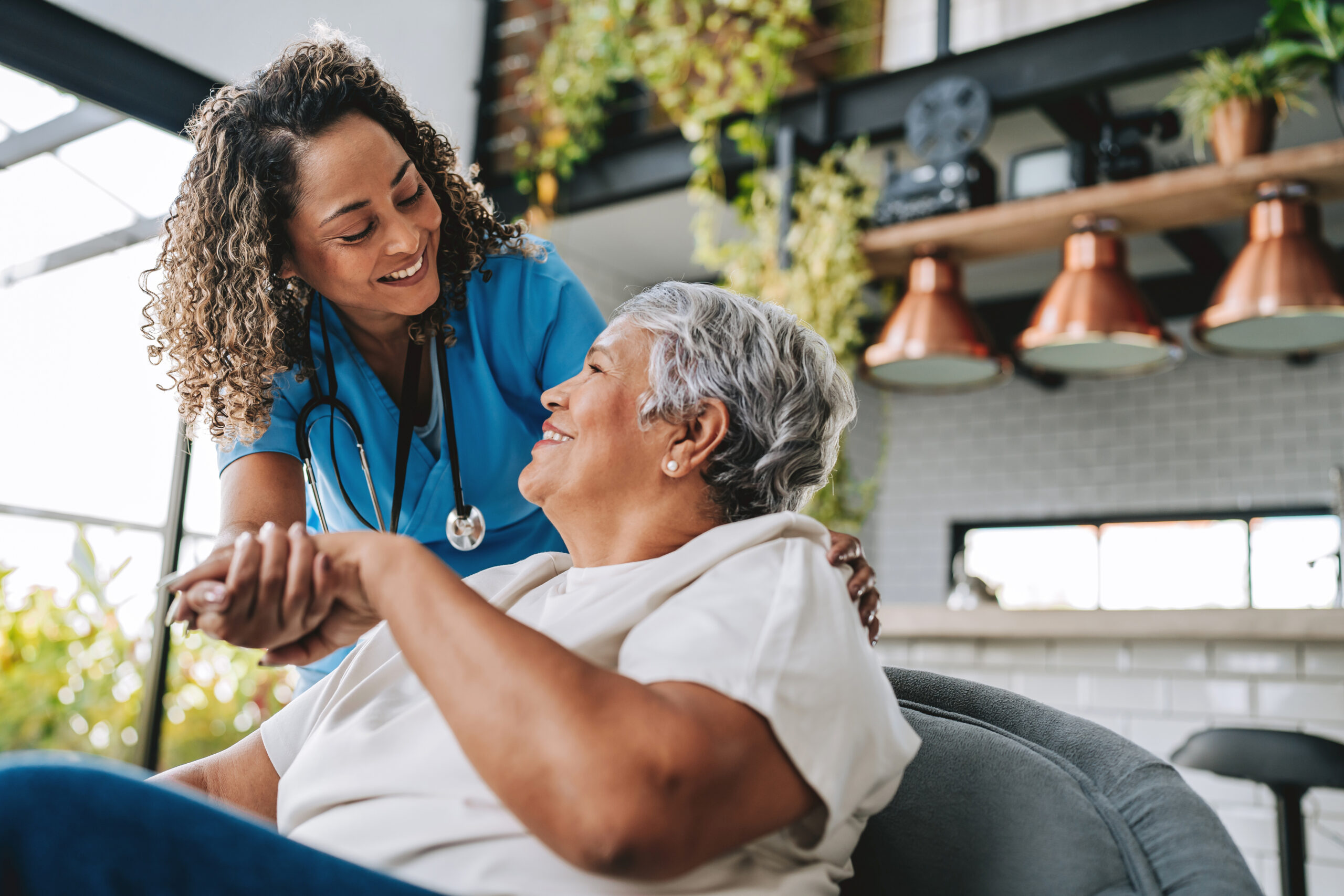
A calm, comforting presence is provided by caregivers, who converse with seniors, offer company, and help them with everyday tasks.
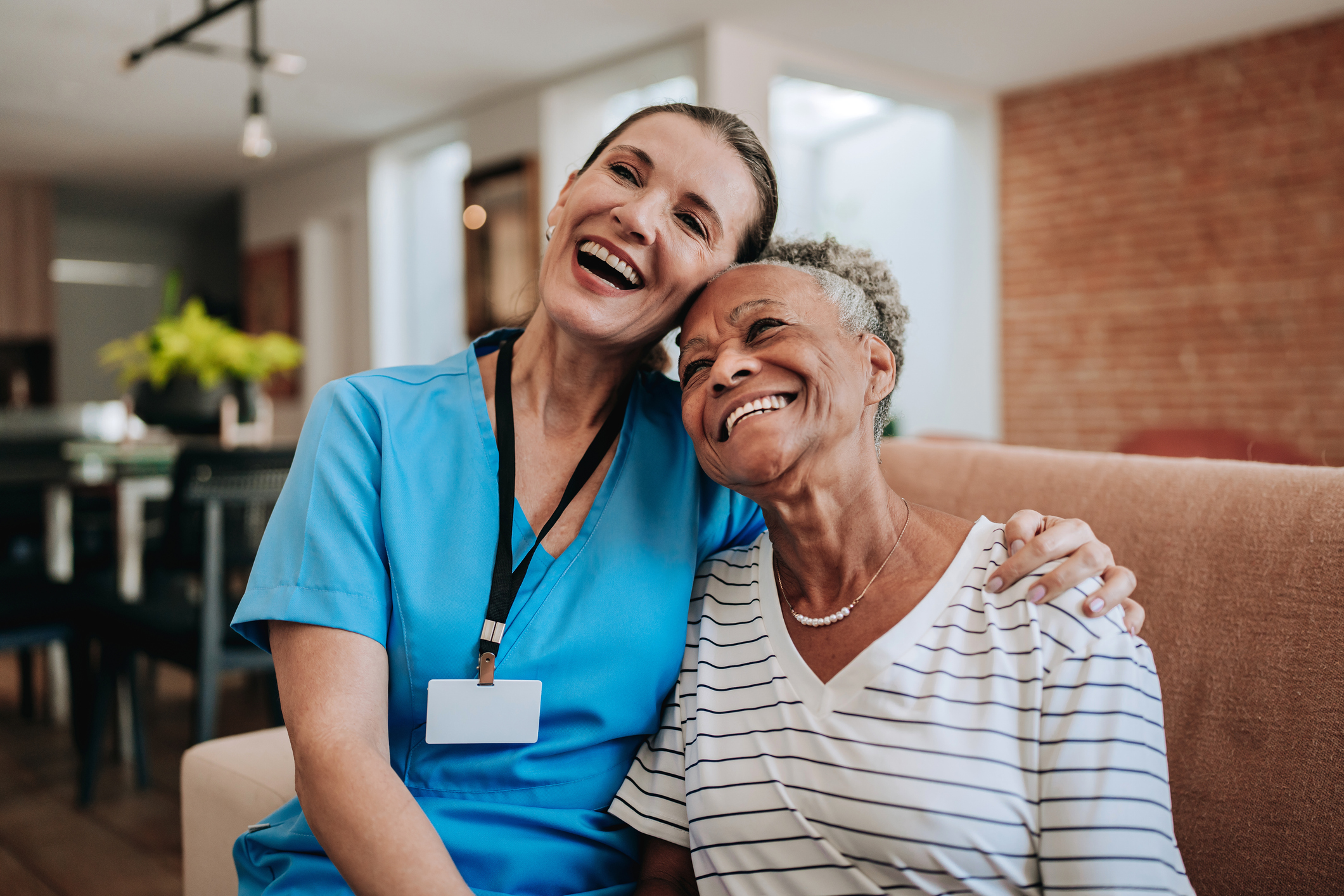
This emotional support lowers blood pressure reactivity by lowering anxiety and feelings of loneliness. It has been demonstrated that social connections alone help older adults feel less stressed and burdened by caregiving.
Promoting Pleasant Activities and Behavioral Engagement
Caregivers play a vital role in encouraging residents to take part in pleasant leisure activities. These activities may include reading, listening to music, light exercise, or socializing with others.
Such engagement supports behavioral activation in residents. Over time, this has been shown to reduce both mean arterial pressure and diastolic pressure significantly. Enjoyable routines improve mood and reduce the stress-induced rise in blood pressure.
Facilitating Self‑Care and Monitoring
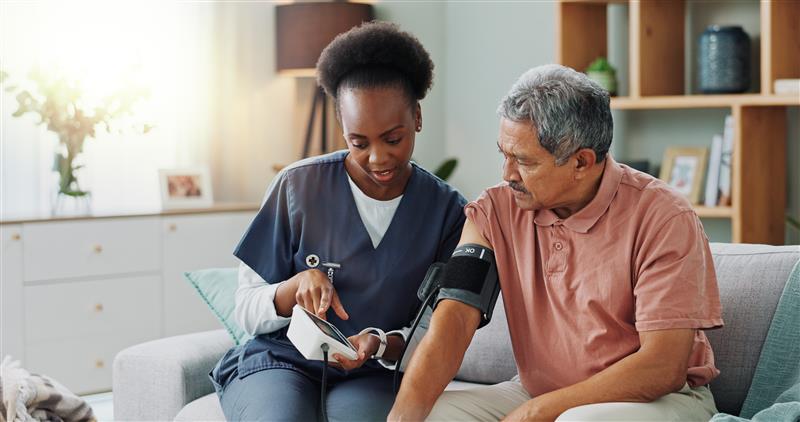
Teaching and helping with blood pressure monitoring are common forms of Home care support for seniors with high blood pressure. According to one study, just promoting routine home monitoring can reduce blood pressure by roughly 9 points, which is a significant improvement that may even lessen the need for medication.
Consistent self-care is also supported by caregivers, who assist with medication compliance, ensure nutritious meals, encourage hydration, and promote healthy sleep routines. Seniors' self-efficacy and adherence to healthy habits are increased by this empowerment, which together lowers their risk of hypertension.
Reducing Caregiver and Recipient Stress Through Training and Respite
In rural elder settings, caregiver education programs such as the Social Support Family Caregiver Training Program (SSFCTP) have been successful in improving blood pressure control, increasing knowledge, and improving the well-being and confidence of both the care recipient and the caregiver.
Another crucial tactic is respite care. In addition to reporting significant improvements in their physical and mental well-being, caregivers who receive respite services also report calmer, more present care. Seniors benefit indirectly from this since it makes caregivers less stressed and more productive; boards indicate that seniors in respite-supported caregiving arrangements have better general health and fewer hospital admissions.
Why Florida Seniors Benefit from Caregiver‑Led Stress Reduction
Seniors in Florida, especially those in Broward County, frequently lead independent lives despite stressors like isolation, limited mobility, and health issues. Having a qualified caregiver at home offers:
- Regular emotional interaction lessens loneliness.
- Mobility is aided by physical support, which reduces frustration and falls.
- Regular promotion of healthful behaviors like eating, exercising, and getting enough sleep.
- Stress-reduction techniques include deep breathing, escorted walks, and pet interaction, as well as daily routines and relaxation coaching.
These interactions do more than just "help around the house"; they also have a direct impact on cardiovascular markers, lower anxiety, and stabilize mood.
Practical Strategies Seniors in Broward Can Use
While you want all the benefits of caregiving for senior health, here is how to do it:
- Ask about caregiver services that include BP‑monitoring support: Seniors can reliably monitor their own blood pressure by incorporating caregiver guidance into daily routines, which enables them to make lifestyle or medical adjustments earlier.
- Encourage structured leisure or pleasant activities: Caregiver-led enjoyment, whether it be through reading, reminiscence therapy, light stretching, music listening, or yard walks, lowers stress and promotes cardiovascular health.
- Attend caregiver‑led stress‑reduction sessions: In order to calm seniors and lower blood pressure, a lot of in-home care agencies provide caregiver training in mindfulness, behavioral activation, and relaxation techniques.
- Use respite options to support both caregiver and senior well-being: Caregivers who have scheduled breaks return to work more rested and equipped to offer seniors steady, calm support, which indirectly lowers their stress levels.
- Promote healthy routines: Seniors having senior care services to lower hypertension can maintain healthy sleep patterns, balanced meals, hydration, and light movement, all low-stress behaviors that support optimal blood pressure, with the help of caregiver coaching.
Conclusion
More than just help, in-home caregiver support offers a soothing presence that lowers stress, improves mood, promotes enjoyable activities, and supports self-care practices that inherently lower blood pressure.
For seniors in Broward County, where aging in place and emotional stability are essential for a long and healthy life, these benefits are especially significant.
Consider looking into senior care services in Broward if you're a senior or are supporting a loved one. Trained caregivers can provide home care support for seniors with high blood pressure, which can help lower hypertension.
Senior health benefits from caregiving are real, supported by research, and attainable, ranging from reduced stress to improved blood pressure.
Seniors can live a healthier, more peaceful life and maintain their independence with peace of mind when they have positive caregiver involvement.